

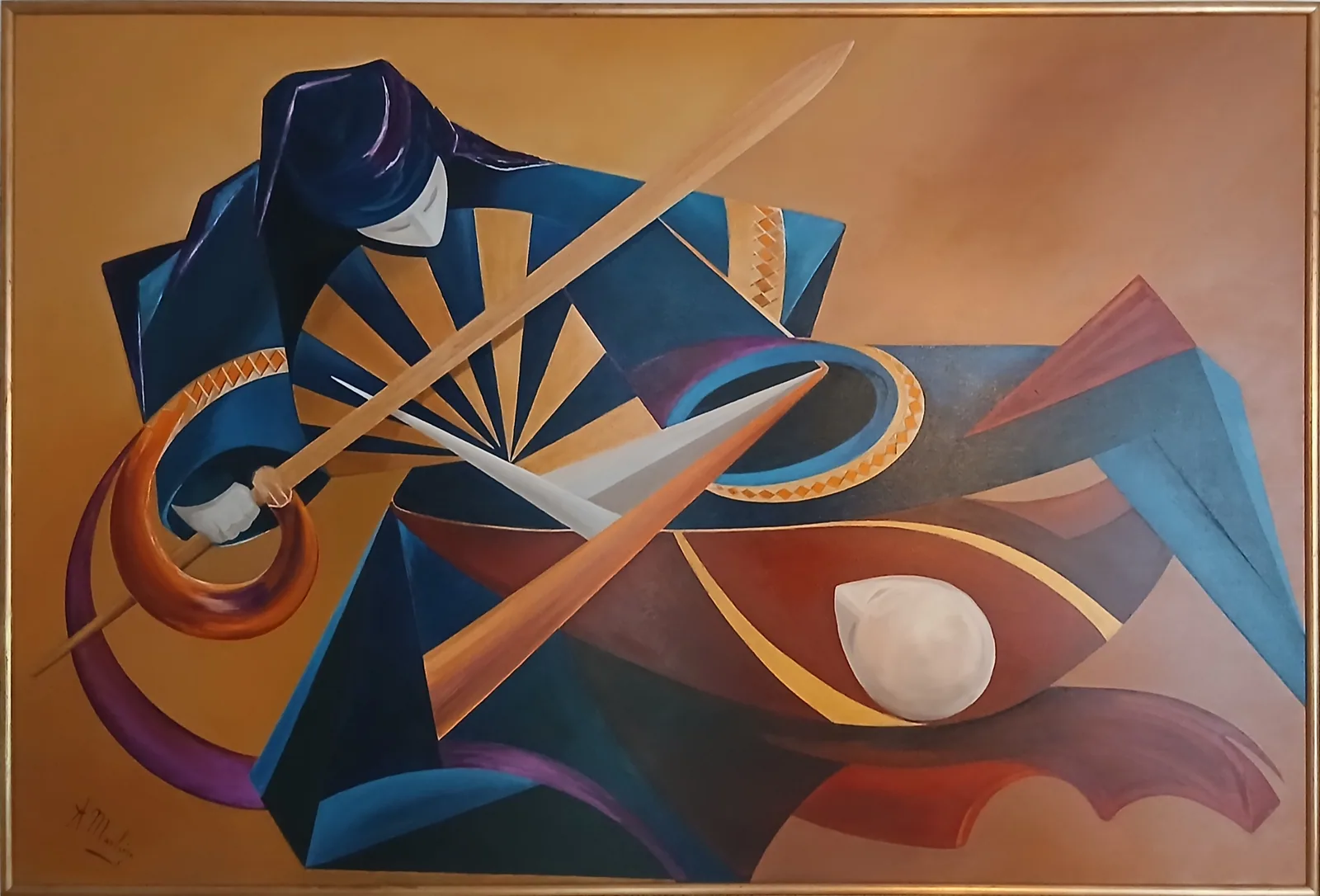
I understood this through my mother, Andrée Marlière. She lived her life through art. On stage, she danced with Béjart and with the Grand Ballet du Marquis de Cuevas, became an étoile at the Deutsche Oper am Rhein, and later shaped dancers herself as ballet mistress and choreographer at the Royal Ballet of Flanders. But even in those years of rehearsals and performances, she was always drawing and painting, mostly in watercolour. What her body expressed on stage, her hands continued on paper. Later she turned to oil, and her art gained depth, texture and weight. The dancer became a painter, without ever ceasing to be an artist.
A dance exists only in the moment it is performed. When the music stops, it is gone. Perhaps that is why she painted: to leave something that would stay.
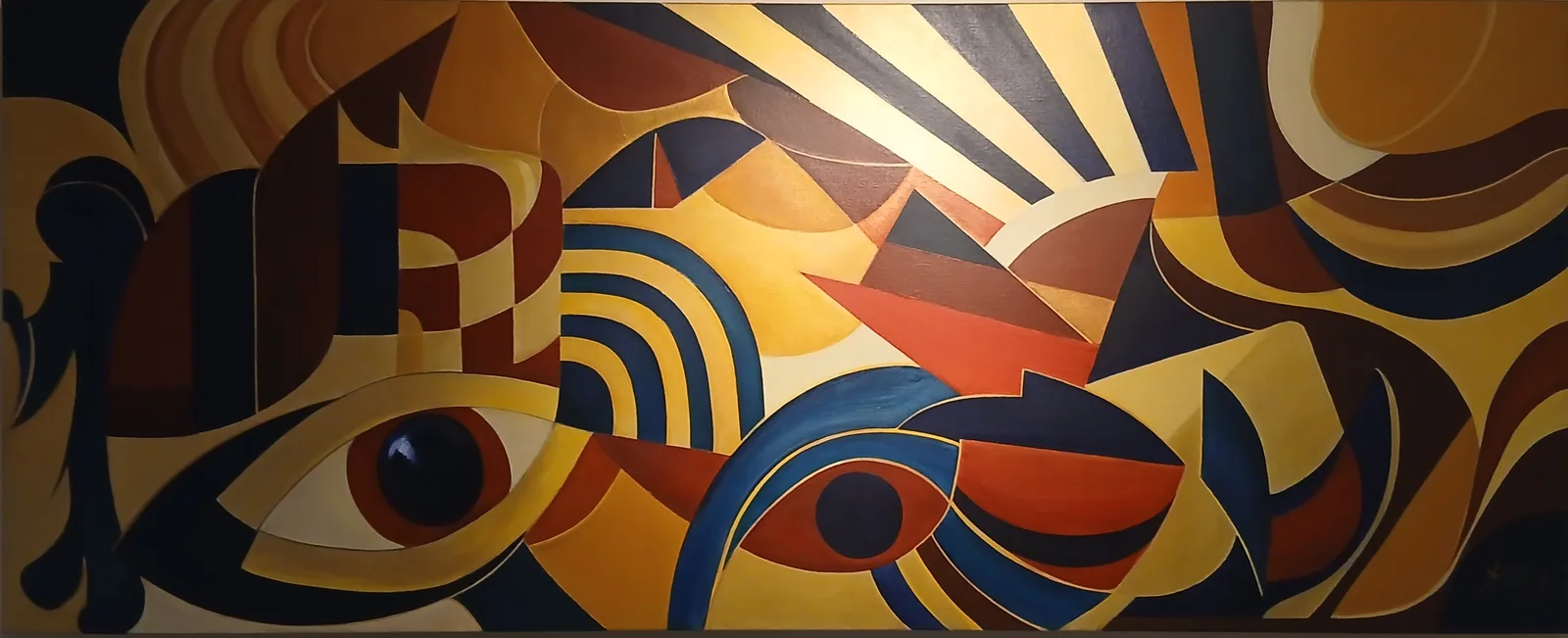
She passed away in 2008. What she left me is not a fortune. It is her paintings. And with them, a question I could not put aside: what happens to them after me?
I know how the story usually ends. A life closes, a house is emptied, and the paintings that hung on those walls for decades are carried to an attic, a cellar, a clearance sale. Not because they lost their worth, but because they lost their witness. Nobody remains who knows who made them, or why they mattered. An artwork does not die when it is damaged. It dies when it is forgotten.
Philoteknia was born from that refusal.
It rests on a simple idea: an artwork should never end with the life of the person who kept it. When a painting can no longer stay where it is, it deserves a new home. On Philoteknia, its custodian can choose who will care for it next. Not the highest bidder, but the right hands. The artwork moves on, and its story moves with it. Each custodian adds a chapter; none of them writes the last one.
There is a larger truth behind this. Most of the art ever made is not in museums. It lives in private homes, seen by a few, loved by one family, unknown to everyone else. Entire lives of creative work are scattered across living rooms and storerooms, and when nobody records them, they vanish without a sound. Philoteknia gives every artwork a permanent record: its image, its history, and a label that stays with the object for as long as it exists. What was hidden becomes part of a shared memory. What was forgotten can be found again.
Our time makes this more urgent, not less.
Machines can now produce images without end, in seconds. Some are beautiful. But an image without a maker is an image without a life behind it. A real artwork carries a hand, a hesitation, a choice, a person who stood in front of it and decided it was finished. As images become endless, that human trace becomes rare, and what is rare deserves protection. Philoteknia exists to keep that trace visible: who made the artwork, who cared for it, where it has been.
That is why the door is also open to those who are just beginning. A young artist can record their art from the very first piece, free of charge, and watch each artwork gather its own history as it finds its way in the world. Somewhere, someone is standing where my mother once stood, at the start of a life in art. Their art deserves to be seen, and to last.
This is not something one person can hold.
I built Philoteknia for my mother's paintings, but I know it cannot belong to me alone. It is meant to outlast me, as her paintings must outlast me. A permanent record only means something if it is carried forward by more than one pair of hands, by everyone who believes that what was made with love should not simply disappear.